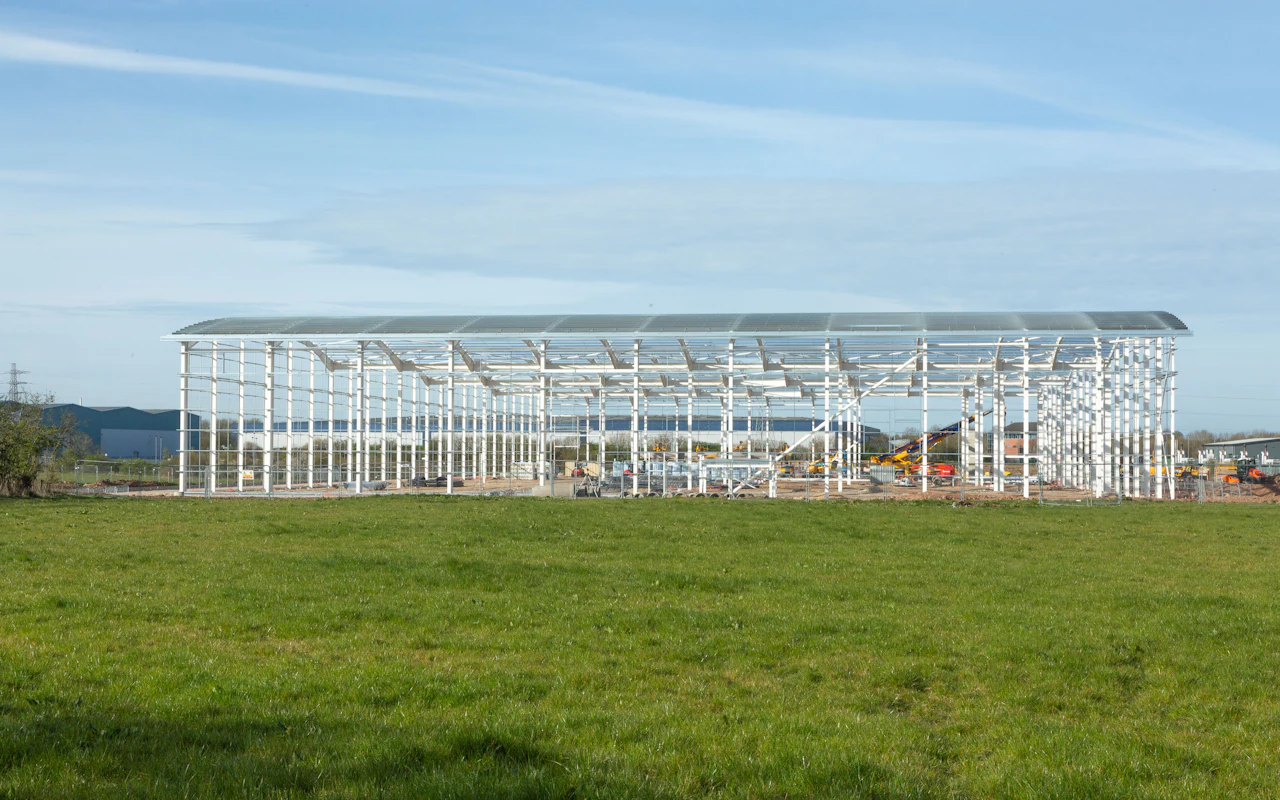
Temporary Building Quotes
Steel-framed warehouses, workshops, halls and cabins for sites across the UK, hired for a season or bought outright.
- 28 days
- The Building Regulations limit for a temporary building in England.
- Month by month
- How steel-framed buildings are usually hired.
- Hire or buy
- Ask for both prices on the same spec.
What will the building be for?
Pick the closest match. Each page covers the sizes, options and questions that suppliers will ask about that kind of building.
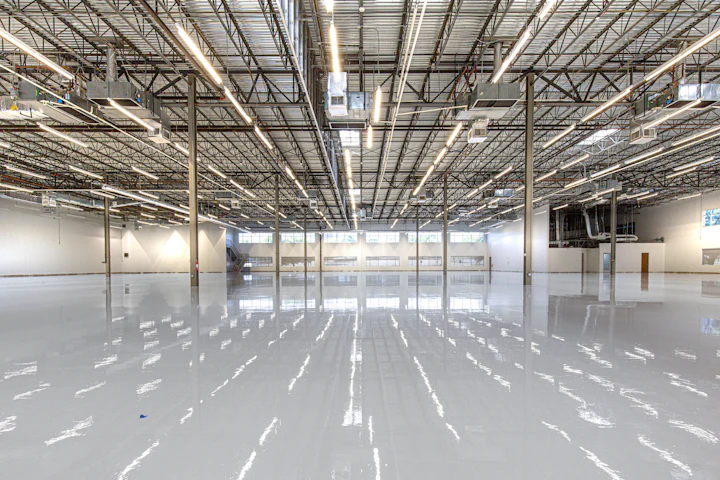 Warehouse and storageOverflow stock, peak season and decant space under a clear-span roof.
 Industrial buildingsLarge steel portal frames for production, plant and bulk materials.
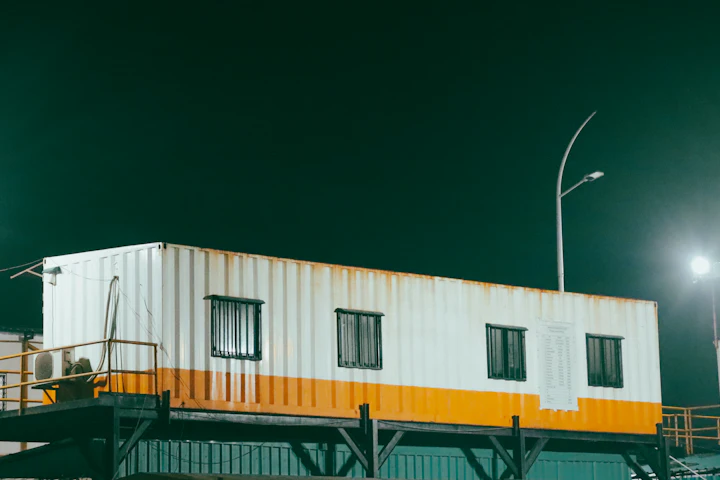 Office and welfare cabinsPortable units for site teams, depots and refits, hired by the week.
Also: workshop buildings for maintenance and repairs, and school halls and decant space for rebuilds.
Hire it for a season, or buy it outright
Two questions decide the paperwork
"Temporary" sounds as if no permission is needed, but in England that is not usually the case. For planning, the common exception is a building there just for construction work on the same land; other permitted development rights can apply in some cases. For Building Regulations, the temporary building exemption covers a building that will be gone within 28 days.
Anything else, such as a warehouse for a busy year or a workshop for a long contract, usually needs a planning application and Building Regulations approval. Councils can grant planning permission for a limited period, which is how many temporary buildings are approved.
Read more in planning permission for temporary buildings and Building Regulations for temporary buildings.
Five things suppliers ask first
Have these to hand and you will get firmer, comparable prices. If you only know some of them, send what you have.
- Footprint
- Width and length in metres, or the stock, plant or people it has to hold.
- Height
- The clear height you need under the eaves for racking, masts or vehicles.
- Ground
- Concrete, tarmac, or grass and soft ground. Photos help.
- Openings
- How many vehicle doors and pedestrian doors, and how big.
- Dates
- When it must be up, and roughly how long it stays.
Temporary buildings, briefly
What counts as a temporary building?
In planning and building control there is no single definition. The permitted development right in Class A covers buildings needed while construction work is carried out on the land, and the Building Regulations exemption covers buildings not meant to stay more than 28 days. Most buildings sold as "temporary" are demountable steel frames or cabins that can stay far longer with the right approvals.
Do I need planning permission for a temporary building?
Usually, unless it is there only for construction work on the same land and comes down when the work ends. Our planning permission post goes through it.
Do temporary buildings need Building Regulations approval?
Usually, if they are meant to stay more than 28 days, unless another exemption in Schedule 2 to the Building Regulations 2010 covers them.
Should I hire or buy?
Hire suits a set or uncertain period; buying suits a long or open-ended one. Ask for both prices on the same building. See hire and buying.
How much does a temporary building cost?
It depends heavily on span, height, cladding, doors and ground, and we have not found a published rate per square metre we would rely on. Portable office cabins are the exception: published UK cost guides put hire at about £50 to £250 a week. Our spec planner helps you ask for comparable quotes.
Who is responsible for fire safety?
The responsible person for the premises, under the Regulatory Reform (Fire Safety) Order 2005, who must carry out a fire risk assessment. A temporary building on your premises is part of that.
Ask for a temporary building quote
We find a temporary building supplier who covers your site and give you their name before any of your details go to them. It costs you nothing.
- You tell us the job. Where the site is, what the building is for, and when you need it.
- We look for a supplier. One who hires or sells that kind of building in your part of the country.
- You decide. We name them first, and your details only go to them if you say yes.
Thank you. Your enquiry has reached us.
Here is what happens from here.
- We look for a supplier who covers your site and puts up the kind of building you described.
- We contact you with their name. If you are happy for them to have your details, we pass them on. If not, nothing is shared.
- The supplier confirms the spec, the ground works and the price in writing. We send no marketing.